Please fill out the form below to request a quote or to request more information about us. please be as detailed as possible in your message, and we will get back to you as soon as possible with a response. we're ready to start working on your new project, contact us now to get started.
Professional One-Stop Light Therapy Solutions Manufacturer with Over 15 Years of Experience.
Elevate Your Mood and Energy Levels with Light Therapy Devices
2026-09-16
REDDOT LED
15
The impact of light on human behavior and mental health is well-documented. Light therapy devices target specific wavelengths of light that are known to influence the production of serotonin, a neurotransmitter crucial for mood regulation. Serotonin levels fluctuate throughout the day, with lower levels during the early hours of the morning and higher levels in the late afternoon or evening. By exposing the body to controlled light wavelengths, these devices can help stabilize serotonin levels, leading to improved mood and energy.
Consider the case of Sarah, a 25-year-old who struggled with anxiety and low energy levels during the day. After purchasing a light therapy device, she noticed a noticeable improvement in her mood following exposure to blue light in the morning. Over time, Sarah incorporated this change into her morning routine, resulting in a more positive outlook and increased energy throughout the day. This case study highlights how light therapy can be a personalized solution for individuals seeking to optimize their mental health.
Blue light, with its shorter wavelength, is particularly effective for regulating circadian rhythms. Exposure to blue light in the morning helps set your bodys internal clock, making it easier to wake up feeling alert and focused. On the other hand, red light, with its longer wavelength, is associated with relaxation and improved sleep quality. By using red light therapy in the evening, individuals can help calm their minds and prepare for a restful nights sleep.
A comparative analysis between light therapy and alternative mood-boosting methods like meditation or caffeinated beverages reveals distinct advantages. While meditation focuses on mindfulness and relaxation, and coffee provides a quick energy boost, light therapy offers a controlled and consistent approach. By adjusting the wavelength and duration of exposure, users can tailor the benefits to suit their specific needs, whether for stress relief, improved sleep, or enhanced focus.
The Science Behind Light Therapy
The science of light therapy revolves around the concept of phototherapy, which involves the use of light to address biological imbalances. Different wavelengths of light have varying effects on the human body. For instance:
- Blue light: With its shorter wavelength, blue light is known to stimulate the production of melatonin, a hormone that promotes sleep. Exposure to blue light in the morning can help regulate circadian rhythms, aligning sleep patterns with a 24-hour schedule.
- Red light: This wavelength is associated with relaxation and improved sleep quality. It can help reduce eye strain and improve overall well-being.
- Yellow light: Enhances mood and overall well-being. It can be used to uplift your mood and help you feel more energized.
- Green light: Promotes eye health and relieves eye fatigue.
Research indicates that exposure to blue light in the morning can significantly impact your circadian rhythm, leading to improved sleep quality and reduced stress levels. Conversely, red light therapy is often used for relaxation and promoting deep sleep, making it a popular choice for those seeking to unwind after a long day.
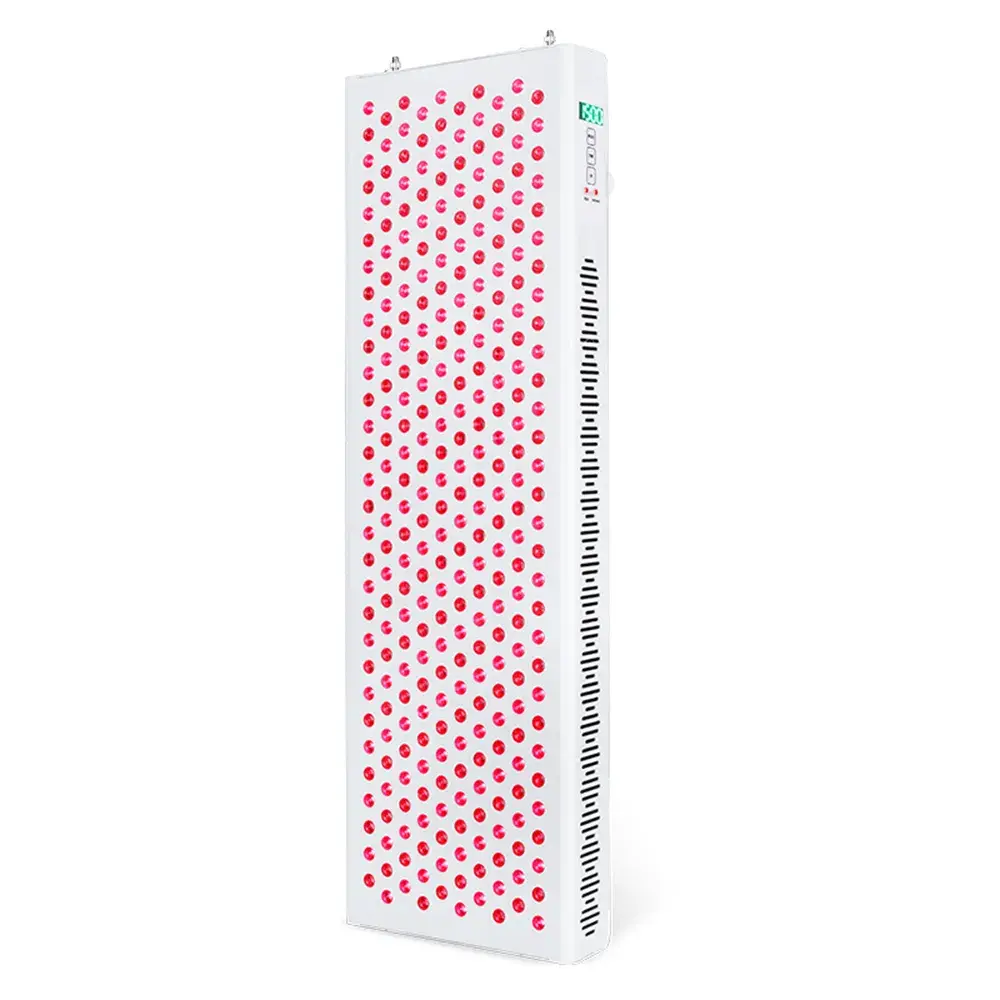
When to Use Light Therapy Devices
Light therapy devices are versatile and can be incorporated into various aspects of daily life. Morning routines benefit greatly from blue light, which can enhance alertness and focus. During stressful moments, red light therapy can serve as a calming influence, helping to reduce tension and promote relaxation. For individuals recovering from physical activities, red light therapy can aid in recovery by promoting muscle relaxation and reducing soreness.
It is important to note that light therapy should not be used as a replacement for medical treatment or self-prescribed medications. Always follow the instructions provided by the manufacturer and consider your individual health status before beginning any new routine.
Strengthening the Conclusion
Light therapy devices represent a promising new avenue for enhancing mood and energy levels. By leveraging the unique properties of different light wavelengths, these devices can provide personalized solutions for individuals seeking to improve their mental health. Whether used in the morning, during stressful moments, or for recovery, light therapy devices have the potential to make a meaningful difference in your daily life.
Consider incorporating light therapy into your routine to experience the transformative benefits. Whether you're looking to start your day with a burst of energy or need a calming influence, these devices can help you achieve a more balanced and productive lifestyle. If you're unsure about which type of light therapy to use or how to start, consult a healthcare professional for personalized advice and guidance.
In conclusion, light therapy devices are a powerful tool for enhancing your overall well-being. By understanding the science behind them and using them effectively, you can elevate your mood and energy levels, leading to a more fulfilling and productive life.
GET IN TOUCH WITH Us
recommended articles
Learn how to evaluate third-party tested red light therapy devices through irradiance measurements, wavelength accuracy, photobiological safety, and traceable documentation. Compare device types and select equipment based on coverage, intended use, testing conditions, and model-specific compliance evidence.
REDDOT LED's incoming material inspection covers six component groups: LEDs, power supplies, optics, structural parts, wiring, and electronic components. Integrated into its 37-step quality inspection process, these checks support traceability, component conformity, controlled engineering changes, and consistent OEM/ODM manufacturing through documented testing and model-specific records.
Red light therapy devices emit non-ionizing red and near-infrared light plus incidental fields from electronic components. Reliable safety evaluation requires separate optical, low-frequency, RF, EMC, electrical, and thermal testing. Buyers should verify model-specific reports, measurement conditions, calibrated instruments, standards, and traceable results instead of relying on vague "low EMF" claims.
This buyer's guide explains how to evaluate medical-grade red light therapy devices through model-specific regulatory documents, optical measurements, safety testing, and supplier support. It compares requirements across five markets and highlights practical differences between home and professional use, helping buyers assess claims and request relevant evidence.
This article explains that red and infrared light therapy is a legitimate research field, but outcomes vary by indication, device, wavelength, irradiance, exposure, and protocol. It distinguishes proposed mechanisms from clinical evidence and provides a practical framework for evaluating safety documents, regulatory status, measurement data, and marketing claims.
This article explains how to evaluate LED application notes for light therapy devices. It covers document scope, boundary conditions, thermal paths, driver behavior, irradiance measurement, optical feedback, and safety standards, emphasizing that final-device testing and regulatory verification cannot be replaced by component guidance.
This guide explains how to evaluate medical-grade red light therapy devices beyond wattage, focusing on wavelength precision, irradiance at treatment distance, safety certifications, thermal stability, documentation, use-case matching, and safe home-use protocols.
This guide explains how to choose red light therapy devices by focusing on intended use, verified wavelengths, irradiance at realistic distances, coverage, thermal reliability, and traceable compliance documents. It helps buyers compare panels, masks, belts, and handheld devices based on measurable specifications instead of marketing claims.
This article explains how LED light therapy importers can build a supplier audit and quality control framework using ISO 13485 factory checks, cleanroom and ESD audits, AQL pre-shipment inspection, irradiance and wavelength testing, and contract-based defect-rate SLAs.
A red light panel's headline irradiance reflects one point at one distance — not your real session dose. This article explains how near-field physics, grid sampling, uniformity percentage, sensor angle, preheat state, and mode separation reshape true J/cm² delivery, plus an eight-question checklist for evaluating any supplier's irradiance test report.
Copyright © 2026 ReddotLED |Sitemap