Please fill out the form below to request a quote or to request more information about us. please be as detailed as possible in your message, and we will get back to you as soon as possible with a response. we're ready to start working on your new project, contact us now to get started.
Professional One-Stop Light Therapy Solutions Manufacturer with Over 15 Years of Experience.
Unlocking Youthful Radiance: Red Light Therapy Device Review
2026-09-12
REDDOT LED
24
The concept of red light therapy has gained traction in the beauty industry as a natural alternative to invasive procedures like chemical peels and laser treatments. Red light therapy, also known as photonic therapy, uses red light wavelengths to penetrate the skin and stimulate cellular processes. This non-invasive approach is designed to enhance skin health, reduce visible signs of aging, and improve overall radiance.
The popularity of red light therapy can be attributed to its versatility and safety profile. Unlike some treatments that involve deeper skin penetration, red light therapy works from the surface, making it accessible to a wide range of skin types and conditions. As technology advances, so does the variety of red light therapy devices, each offering unique benefits and tailored to different user needs.
This guide will walk you through the fundamentals of red light therapy, helping you understand its mechanisms, benefits, and the best devices to achieve your skin goals.
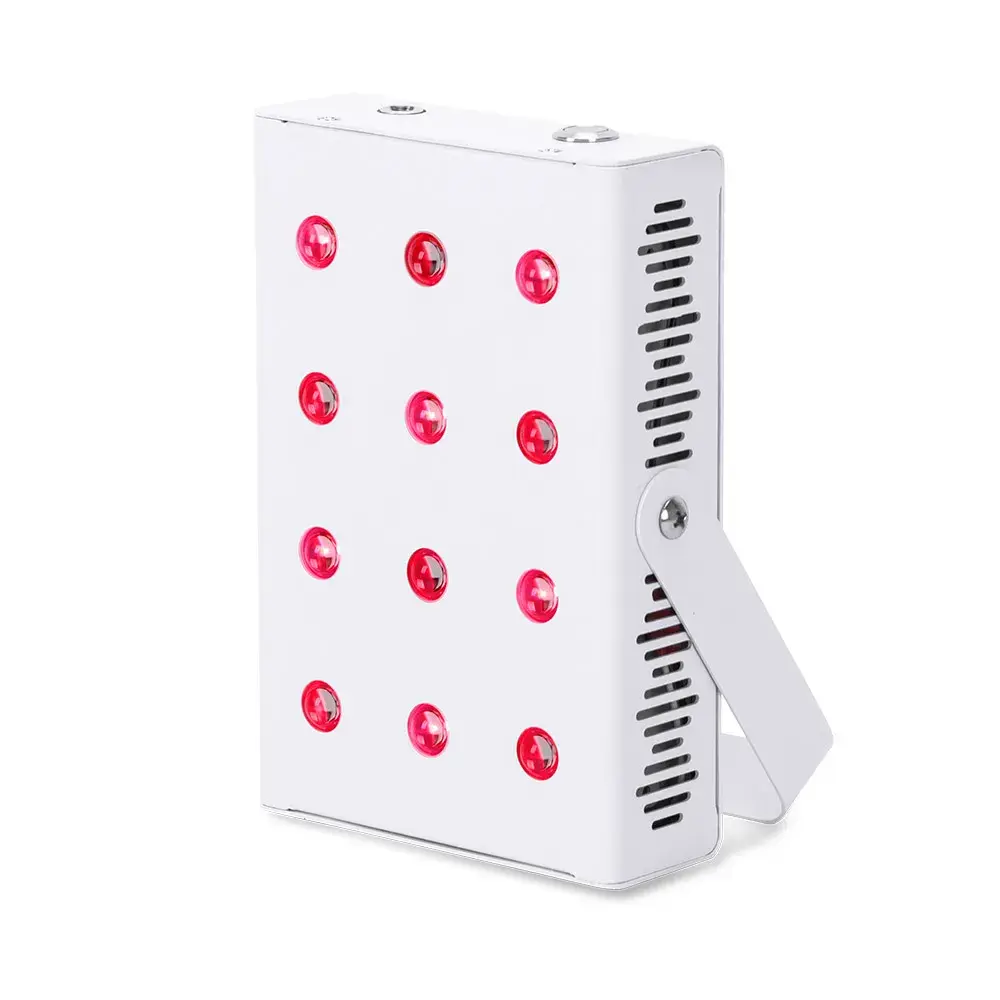
How Red Light Therapy Works
At its core, red light therapy harnesses the power of red light, a wavelength that the human skin can absorb effectively. This unique property allows red light to penetrate the skin and interact with cellular components beneath the surface.
When red light is applied to the skin, it stimulates the production of melanin, the pigment that gives skin its natural color. By encouraging melanin synthesis, red light therapy can enhance skin pigmentation, leading to a more even tone. Additionally, red light activates mitochondrial activity in skin cells, which is crucial for energy production and overall cell health.
Another key mechanism is the stimulation of collagen production. Collagen is the primary protein responsible for skin elasticity and firmness. Red light therapy promotes collagen synthesis, helping to reduce the appearance of fine lines and wrinkles. Furthermore, red light enhances the skins ability to repair itself by stimulating the production of healing factors such as growth factors and antioxidants.
Scientific studies have consistently shown that red light therapy can improve skin texture, reduce inflammation, and enhance the bodys natural anti-aging processes. The evidence points to red light therapy as a safe and effective way to combat the signs of aging.
Key Benefits of Red Light Therapy Devices
Red light therapy offers a range of benefits that make it a popular choice for skin enthusiasts. Here are some of the most notable advantages:
Reduction of Fine Lines and Wrinkles: By stimulating collagen production, red light therapy can help reduce the appearance of fine lines and wrinkles. This makes it an ideal choice for those looking to improve their facial structure.
Improvement in Skin Texture and Firmness: Red light therapy can enhance skin texture by increasing the production of elastic proteins. This results in a firmer and more youthful appearance.
Enhancement of Skin Hydration and Radiance: Regular red light therapy can improve skin hydration, leading to a more luminous and radiant complexion. This is particularly beneficial for those seeking to boost their skins overall health.
Management of acne and Other Skin Conditions: Red light therapy can be effective in managing acne and other skin conditions. By targeting the underlying issues, it can help clear blemishes and improve skin health.
These benefits make red light therapy a versatile tool for achieving a more youthful and healthy complexion.
Types of Red Light Therapy Devices
The variety of red light therapy devices available caters to different preferences and needs. Whether you prefer a portable device for on-the-go use or a desktop machine for professional applications, theres a device designed for you. Heres an overview of the main types:
Portable and Handheld Devices: These devices are compact and convenient, making them ideal for use in the comfort of your home or on trips. They typically feature adjustable settings, allowing you to customize the intensity and wavelength of the light.
Desktop Red Light Therapy Machines: Designed for professional use, these machines are equipped with advanced technology to deliver concentrated red light therapy. They are often used in salons and spa settings, where precision and controlled results are essential.
Topical Red Light Therapy Pads: These pads are infused with red light wavelengths and can be applied directly to the skin. They are simple to use and provide a soothing, painless experience, making them a great option for occasional treatments.
Each type of device has its own set of features and advantages, so its important to choose one that aligns with your personal preferences and goals.
Practical Applications and User Experience
Using a red light therapy device effectively can be a transformative experience. Heres how to maximize its benefits:
Step-by-Step Guide: Start by cleaning and preparing your skin, as red light therapy is sensitive to impurities. Then, apply the device according to the manufacturers instructions, allowing it to work for the recommended duration.
Real-Life Case Studies: Many users have reported visible improvements in their skin within a few weeks of consistent use. Case studies highlight the versatility of red light therapy in addressing various concerns, from fine lines to acne.
Tips and Tricks: Experiment with different settings to find the optimal combination for your skin type. Avoid over-treatment, as this can lead to discomfort or irritation. Instead, treat your skin like a delicate organism, allowing it to recover between sessions.
The user experience of red light therapy is often transformative, with many users noticing a noticeable difference in their skins appearance.
Comparing Red Light Therapy with Other Skin Rejuvenation Treatments
Red light therapy stands out as a cost-effective and accessible alternative to more invasive treatments like lasers and chemical peels. While all these methods aim to enhance skin health and reduce signs of aging, they have distinct differences.
Lasers: Lasers can be more precise and customizable, offering deeper targeting of specific skin concerns. However, they often require more downtime and may not be suitable for all skin types.
Chemical Peels: Chemical peels involve exfoliating the skin and can provide significant results, but they can also lead to irritation and redness. Red light therapy, on the other hand, is generally painless and offers a more gradual improvement in skin health.
Microneedling: Microneedling uses fine needles to stimulate collagen production, creating small wounds that heal to form new skin. While its effective for firming and rejuvenating the skin, it often requires multiple sessions and can be more invasive than red light therapy.
Red light therapy offers a versatile and convenient solution for those seeking to enhance their skins youthful appearance without compromising on safety or comfort.
Safety and Considerations
Safety is a top priority when using red light therapy devices. Here are some important considerations to keep in mind:
Side Effects: Red light therapy is generally safe for most people, but occasional side effects like mild redness or discomfort may occur. If you experience any adverse reactions, discontinue use immediately and consult your healthcare provider.
Precautions: Avoid using red light therapy devices on damaged or irritated skin. Additionally, be mindful of your skin type and follow the manufacturers recommendations for device care and usage.
Consultation: Before starting regular sessions, its a good idea to consult with a dermatologist to ensure the device is suitable for your skin and to address any specific concerns you may have.
By following these guidelines, you can use red light therapy devices safely and effectively to enhance your skins health and beauty.
Future Prospects and Ongoing Research
The field of red light therapy is rapidly evolving, with ongoing research exploring new applications and technologies. Future developments may include more advanced devices with adjustable wavelengths, improved delivery systems, and targeted therapies for specific skin concerns.
As science continues to advance, red light therapy is poised to play an increasingly important role in the fight against aging and skin rejuvenation. Stay tuned for innovative breakthroughs that could further elevate the potential of this transformative technology.
Conclusion
Red light therapy offers a promising and accessible way to enhance skin health and achieve a more youthful appearance. By understanding its benefits, how it works, and the best devices to use, you can make an informed decision about your skin care routine. Whether youre new to the trend or looking to deepen your knowledge, red light therapy is a valuable addition to your beauty arsenal. Embrace the glow of a more vibrant and radiant complexion, and step into the future of skin rejuvenation with confidence.
Table of Contents
GET IN TOUCH WITH Us
recommended articles
REDDOT LED's 37-check quality-control framework covers incoming materials, assembly, finished-device testing, safety, reliability, and shipment release. Learn how to review optical reports, production records, sampling plans, and regulatory documentation for the supplied model, configuration, and target market.
This guide explains how to make a red light therapy device, from wavelength selection and irradiance measurement to drivers, thermal management, and safety testing. It compares DIY prototypes with documented commercial devices and outlines REDDOT’s approach to quality control, compliance documentation, and repeatable OEM production.
A DIY red light therapy device can be assembled, but its glow and LED rating cannot verify performance or safety. The article explains panel components, optical measurements, exposure calculations, electrical and eye safety, and how to compare DIY costs with documented commercial devices.
The RDPRO MINI is a compact, rechargeable handheld device featuring 660 nm red and 850 nm near-infrared light, adjustable intensity, timer and pulse controls, two-hour battery life, Type-C charging, and OEM/ODM customization for portable, localized wellness applications.
RDPRO1500-FS8 Ultra is an 8-channel red and near-infrared therapy panel with 300 LEDs, eight adjustable wavelengths from 590–1060 nm, >196 mW/cm² at 15 cm, dimming, NIR pulsing, and touchscreen control. Designed for flexible wellness, studio, and OEM/ODM applications with measurable, safety-conscious setup.
This article explains how to verify a legitimate red light therapy device by checking measurable wavelengths, irradiance at a stated distance, traceable certifications, photobiological safety testing, and manufacturer accountability instead of relying on marketing claims or badge-only product listings.
This guide explains how to choose red light therapy devices by focusing on intended use, verified wavelengths, irradiance at realistic distances, coverage, thermal reliability, and traceable compliance documents. It helps buyers compare panels, masks, belts, and handheld devices based on measurable specifications instead of marketing claims.
A legitimate LED mask requires four independently verifiable elements: a traceable certificate number, specific wavelengths in nanometers, measured irradiance at a stated distance, and an IEC 62471 photobiological safety classification. This guide provides a five-pillar framework and a 10-minute pre-purchase checklist to identify counterfeit or misrepresented devices.
This guide explains how red light therapy may support dogs with joint stiffness, recovery, skin issues, and soft-tissue discomfort. It covers wavelengths, device types, safe starting times, eye protection, contraindications, and the importance of veterinary approval before home use.
This guide covers RLT device sourcing for B2B buyers: types, key specs (wavelength, irradiance), supplier evaluation, OEM/ODM, market trends, safety, and how to avoid common mistakes, with a focus on profitability.
Copyright © 2026 ReddotLED |Sitemap